


Showcasing Distinct Perspectives in Travel Photography
- null null
- Jan 16
- 4 min read
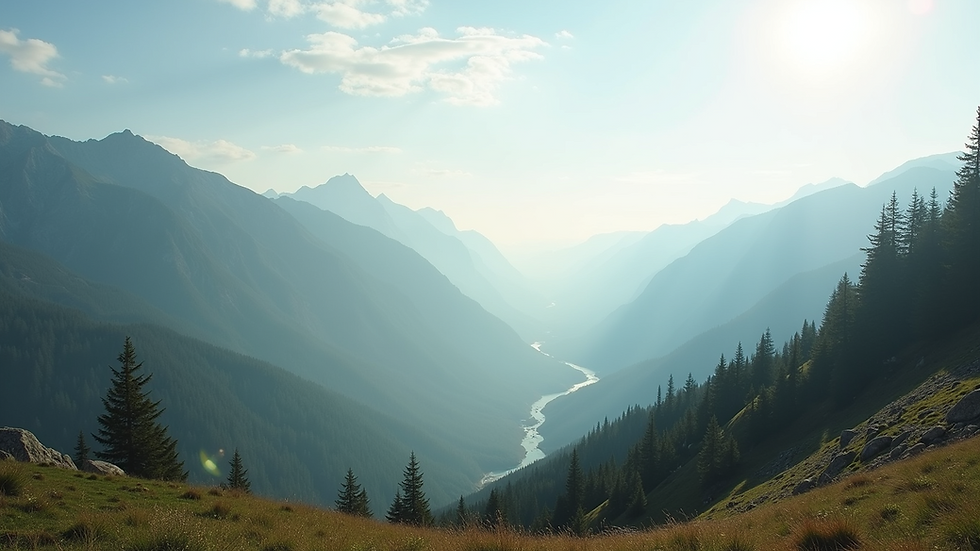
Travel photography is more than just capturing beautiful landscapes; it’s about telling stories through unique perspectives. Each photograph can evoke emotions, transport viewers to different places, and offer insights into cultures and experiences. In this blog post, we will explore how to showcase distinct perspectives in travel photography, providing practical tips and examples to enhance your skills.
Understanding the Importance of Perspective
Perspective in photography refers to the angle and viewpoint from which a photo is taken. It can dramatically change the way a subject is perceived. Here are some key reasons why perspective matters:
Emotional Impact: Different angles can evoke various feelings. A low-angle shot can make a subject appear powerful, while a high-angle shot can create a sense of vulnerability.
Storytelling: The perspective you choose can tell a story. For instance, a wide shot of a bustling market can convey the vibrancy of a culture, while a close-up of a local artisan at work can highlight individual craftsmanship.
Composition: Perspective affects composition. By changing your viewpoint, you can create more dynamic and interesting compositions that draw the viewer’s eye.
Types of Perspectives in Travel Photography
1. Eye-Level Perspective
The eye-level perspective is the most common viewpoint. It captures the scene as we see it in real life, making it relatable to viewers. This perspective is ideal for portraits and street photography, as it allows for a direct connection with the subject.
Example: A portrait of a local vendor at a market, taken at eye level, can create an intimate connection between the viewer and the subject.
2. High-Angle Perspective
Shooting from a high angle can provide a unique view of a scene. This perspective can make subjects appear smaller and can emphasize the environment around them. It’s particularly effective for landscapes or crowded scenes.
Example: A high-angle shot of a busy street market can showcase the hustle and bustle of the area, giving viewers a sense of the atmosphere.
3. Low-Angle Perspective
Conversely, a low-angle perspective can make subjects appear larger and more imposing. This perspective is often used in architectural photography to highlight the grandeur of buildings or monuments.
Example: A low-angle shot of a towering cathedral can emphasize its height and intricate details, creating a sense of awe.
4. Bird’s Eye View
A bird’s eye view offers a unique perspective that can transform ordinary scenes into extraordinary compositions. This perspective is often achieved using drones or by shooting from high vantage points.
Example: A bird’s eye view of a winding river through a lush forest can create a stunning visual that highlights the beauty of nature.
5. Close-Up Perspective
Close-up shots focus on specific details, allowing viewers to appreciate textures, colors, and patterns. This perspective is particularly effective in showcasing local crafts, food, and cultural artifacts.
Example: A close-up of a traditional dish can highlight its vibrant colors and intricate presentation, inviting viewers to experience the culture through food.
Techniques for Capturing Distinct Perspectives
Experiment with Angles
Don’t be afraid to move around and try different angles. Get low to the ground, climb to higher viewpoints, or even shoot from unusual positions. The more you experiment, the more unique perspectives you will discover.
Use Leading Lines
Incorporate leading lines into your compositions to guide the viewer’s eye. Roads, pathways, and architectural elements can create depth and draw attention to your subject.
Play with Depth of Field
Adjusting your depth of field can help isolate your subject from the background. A shallow depth of field can create a dreamy effect, while a deep depth of field can capture the entire scene in sharp focus.
Incorporate Foreground Elements
Adding foreground elements can create a sense of depth and context in your photos. This technique can enhance the storytelling aspect of your images.
Be Mindful of Lighting
Lighting plays a crucial role in photography. The golden hour, shortly after sunrise or before sunset, provides soft, warm light that can enhance your images. Experiment with different lighting conditions to see how they affect your perspective.
Showcasing Cultural Perspectives
Travel photography is an opportunity to showcase diverse cultures. Here are some tips for capturing cultural perspectives effectively:
Engage with Locals
Building connections with locals can lead to authentic moments. Ask for permission before taking photos and engage in conversations to learn more about their stories and experiences.
Capture Daily Life
Photographing everyday activities can provide insights into a culture. Whether it’s a local market, a family gathering, or a traditional festival, these moments can tell powerful stories.
Highlight Traditions and Customs
Documenting traditional practices, rituals, and celebrations can showcase the richness of a culture. Be respectful and mindful of cultural sensitivities while capturing these moments.
Editing for Impact
Post-processing is an essential part of photography. Here are some editing tips to enhance your travel photos:
Adjust Exposure and Contrast
Fine-tuning exposure and contrast can help bring out details in your images. Ensure that highlights and shadows are balanced for a more dynamic look.
Enhance Colors
Boosting colors can make your images pop. Be careful not to overdo it; aim for a natural look that reflects the scene accurately.
Crop for Composition
Cropping can help improve composition by removing distracting elements. Consider the rule of thirds when cropping to create a more balanced image.
Use Presets Wisely
Presets can save time and create a consistent look across your portfolio. However, customize them to fit each image for the best results.
Conclusion
Travel photography is a powerful medium for storytelling, and showcasing distinct perspectives can elevate your work. By experimenting with different angles, engaging with local cultures, and refining your editing skills, you can create compelling images that resonate with viewers. Remember, each photograph is an opportunity to share a unique story and connect with others. So grab your camera, explore new perspectives, and let your travel photography journey unfold.

Comments