


Capturing Unique Travel Photography Experiences
- null null
- Jan 16
- 4 min read
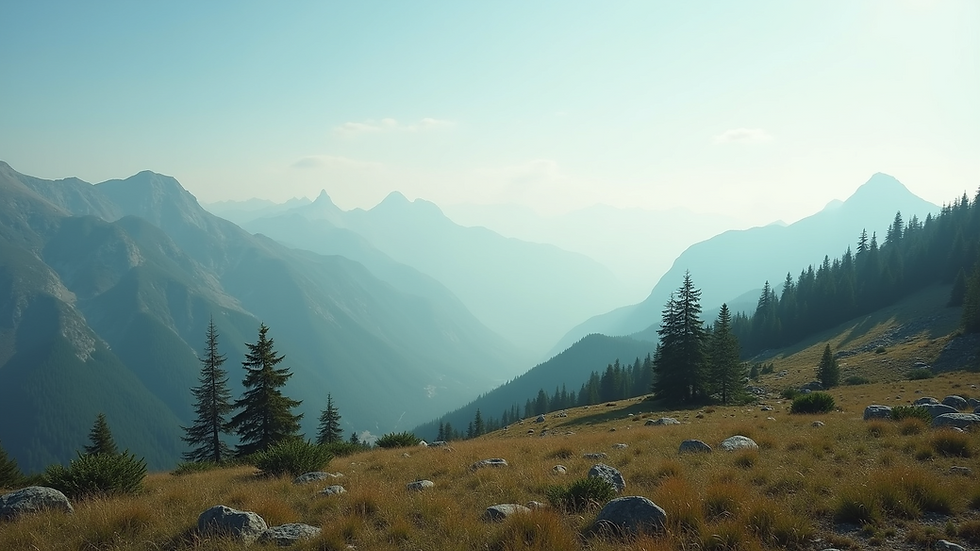
Travel photography is more than just snapping pictures; it's about capturing the essence of a place, its culture, and the emotions that come with exploration. Whether you're a seasoned photographer or a casual traveler with a smartphone, understanding how to create unique travel photography experiences can elevate your images and tell compelling stories. In this post, we will explore various techniques, tips, and insights to help you capture stunning travel photographs that resonate with viewers.
Understanding Your Subject
Research the Location
Before you even pack your bags, take the time to research your destination. Understanding the local culture, traditions, and landmarks can help you plan your shots. Here are some tips:
Read Travel Guides: Look for books or online resources that provide insights into the best photography spots.
Join Photography Forums: Engage with fellow photographers who have visited the location. They can offer valuable tips and hidden gems.
Use Social Media: Platforms like Instagram can provide inspiration and help you identify popular spots.
Timing is Everything
The time of day can dramatically affect the quality of your photographs. The golden hour, which occurs shortly after sunrise and before sunset, provides soft, diffused light that enhances colors and textures. Here are some tips for timing your shots:
Plan for Sunrise and Sunset: These times offer the best natural light.
Consider Weather Conditions: Overcast days can create a soft, even light, while clear skies can produce harsh shadows.
Composition Techniques
Rule of Thirds
One of the fundamental principles of photography is the rule of thirds. This technique involves dividing your frame into a 3x3 grid and placing your subject along these lines or at their intersections. This creates a more balanced and engaging composition.
Leading Lines
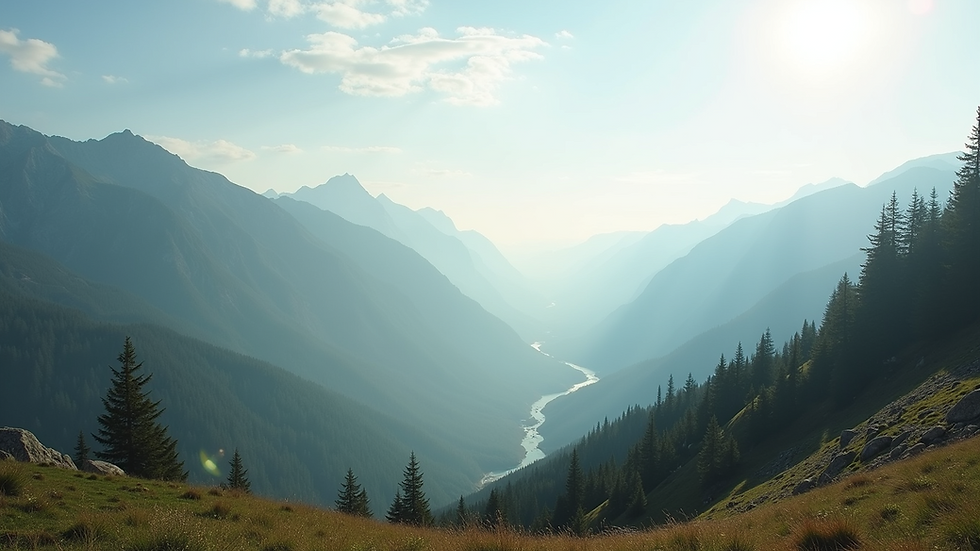
Utilizing leading lines can guide the viewer's eye through your photograph. Roads, rivers, and pathways can serve as natural lines that draw attention to your subject. Experiment with different angles to find the most compelling perspective.
Framing
Framing involves using elements within your scene to create a "frame" around your subject. This technique can add depth and context to your photographs. Look for natural frames like archways, branches, or windows.
Capturing Emotions
Candid Moments
Some of the most powerful travel photographs capture candid moments. These images tell a story and evoke emotions. To capture candid shots:
Be Patient: Wait for the right moment to unfold.
Blend In: Try to be unobtrusive to capture genuine interactions.
Portraits of Locals
Photographing locals can add a personal touch to your travel photography. Always ask for permission before taking someone's picture, and consider offering to share the photo with them afterward. This builds trust and often leads to more authentic interactions.
Equipment Essentials
Camera Gear
While it's possible to take great photos with a smartphone, having the right camera gear can enhance your capabilities. Here are some essentials:
DSLR or Mirrorless Camera: These cameras offer better image quality and versatility.
Lenses: A wide-angle lens is great for landscapes, while a prime lens can be perfect for portraits.
Tripod: A sturdy tripod is essential for long exposure shots, especially in low light.
Editing Software
Post-processing is an integral part of photography. Software like Adobe Lightroom or Photoshop can help you enhance your images. Here are some basic editing tips:
Adjust Exposure: Correct any overexposed or underexposed areas.
Crop for Composition: Use cropping to improve the framing of your shot.
Color Correction: Adjust colors to reflect the mood of the scene.
Unique Perspectives
Experiment with Angles
Don't be afraid to get creative with your angles. Shooting from a low perspective can add drama to your images, while a high angle can provide a unique overview of a scene. Here are some ideas:
Get Low: Lie on the ground for a fresh perspective.
Climb Higher: If safe, find a vantage point to capture a broader view.
Use Reflections
Reflections can add an artistic touch to your photographs. Look for bodies of water, glass buildings, or even puddles that can create interesting mirror images.
Storytelling Through Photography
Create a Narrative
Each photograph should tell a story. Think about what you want to convey with your images. Consider the following:
Context: Include elements that provide context to your subject.
Emotion: Capture feelings that resonate with viewers.
Series of Images
Instead of focusing on a single shot, consider creating a series of images that together tell a story. This could be a day in the life of a local, a journey through a market, or the changing landscapes of a hike.
Ethical Considerations
Respect Local Cultures
When photographing in different cultures, it's essential to be respectful. Always ask for permission, especially in sensitive situations. Understanding cultural norms can help you avoid unintentional disrespect.
Environmental Responsibility
As a traveler and photographer, it's crucial to minimize your impact on the environment. Follow these guidelines:
Leave No Trace: Always clean up after yourself and respect natural habitats.
Stay on Trails: Avoid trampling on delicate ecosystems.
Final Thoughts
Capturing unique travel photography experiences is about more than just taking pictures; it's about telling stories and sharing moments that resonate with others. By understanding your subject, mastering composition techniques, and being mindful of ethical considerations, you can create stunning images that reflect the beauty of the world around you.
As you embark on your next travel adventure, remember to embrace the journey. Each photograph is an opportunity to connect with a place and its people. So grab your camera, explore new horizons, and let your creativity shine. Happy shooting!

Comments